The recent victory of Malka Komaraiah ‘s victory of the Bharatiya Janata Party (BJP) in the Member of Legislative Council (MLC) elections in rural Telangana marks a noteworthy shift towards right-wing politics in a region traditionally dominated by regional parties. This electoral victory not only underscores the growing influence of the BJP in the state but also reflects a broader trend of political realignment among rural voters who may be increasingly drawn to the party’s nationalistic and development-oriented agenda. In light of this success, it is now essential for the BJP leadership to focus on consolidating and strengthening their rural support base. This involves not only maintaining the momentum gained from the recent elections but also addressing the unique needs and concerns of rural constituents. Engaging with local communities, understanding their challenges, and effectively communicating the party’s policies and initiatives will be crucial in fostering loyalty and trust among voters in these areas. Additionally, the BJP must work to counter any potential backlash from rival parties that may seek to reclaim their influence in rural regions. The election of Mr. Malka Komaraiah as a representative of the BJP is a significant milestone for the party in Telangana. His victory not only symbolizes the party’s growing foothold in the state but also serves as a testament to the effectiveness of the BJP’s outreach efforts in rural constituencies. Mr. Komaraiah’s background and connection to the local populace can be leveraged to further enhance the party’s image and credibility in the region. His role will be pivotal in articulating the party’s vision and policies, as well as in mobilizing grassroots support. As the BJP navigates this new political landscape, it will be important for the party to remain attuned to the evolving dynamics of rural politics in Telangana. By prioritizing rural development, addressing local issues, and fostering inclusive governance, the BJP can solidify its position as a formidable force in the state. The recent electoral success, coupled with strategic efforts to engage with rural voters, could pave the way for a sustained presence and influence in Telangana’s political arena.
Blog
-
Indian communist party , stinking degeneration .Banyan tree became a Bonsai .
a perception of the party as out of touch with the realities of contemporary Indian society. As the nation has embraced globalization and economic liberalization, the Communist Party’s reluctance to adapt its policies has rendered it increasingly irrelevant in the eyes of many voters who prioritize economic growth and job creation.
The party’s historical roots in labor rights and social justice, while noble, have not translated effectively into a vision for the future that resonates with the aspirations of younger generations. The failure to evolve its messaging and strategies to align with the changing socio-economic landscape has left the party struggling to connect with a demographic that is more focused on innovation, entrepreneurship, and personal success than on traditional leftist ideologies. This disconnect has further exacerbated the party’s decline, as it has failed to attract new members and retain existing ones who feel that their voices and concerns are not being adequately represented.
Moreover, the party’s anti-Hindu policies have alienated a significant portion of the electorate in a country where Hinduism is the predominant religion. By positioning itself in opposition to the cultural and religious sentiments of a large segment of the population, the Communist Party has inadvertently marginalized itself from the broader political discourse. This has allowed rival parties, particularly those aligned with Hindu nationalism, to capitalize on the discontent and disillusionment among voters who feel that their values and beliefs are not being acknowledged or respected. The internal strife within the party, characterized by factionalism and power struggles, has further compounded its challenges. As different factions vie for control and influence, the party has become increasingly fragmented, leading to a lack of coherent strategy and direction. This infighting has not only weakened the party’s organizational structure but has also diminished its ability to present a united front to the electorate, further eroding public confidence in its leadership. Party cadre found easy way to earn big money is by extortion. Now public are seeing the communist cadre as social menace and extortionists.
In conclusion, the decline of the Communist Party in India can be likened to the transformation of a once-majestic banyan tree into a stunted bonsai, constrained by its own policies and internal dynamics. The combination of self-serving leadership, ideological rigidity, anti-development stances, and alienation of key voter demographics has resulted in a significant loss of influence and relevance. Unless the party can undergo a profound transformation—reassessing its core values, reconnecting with the electorate, and embracing a more inclusive and forward-thinking approach—it risks becoming a mere footnote in the annals of Indian political history, overshadowed by more adaptive and responsive political entities.
-
Sonia Gandhi, the last foreign invader ruler and her anti Hindu policies
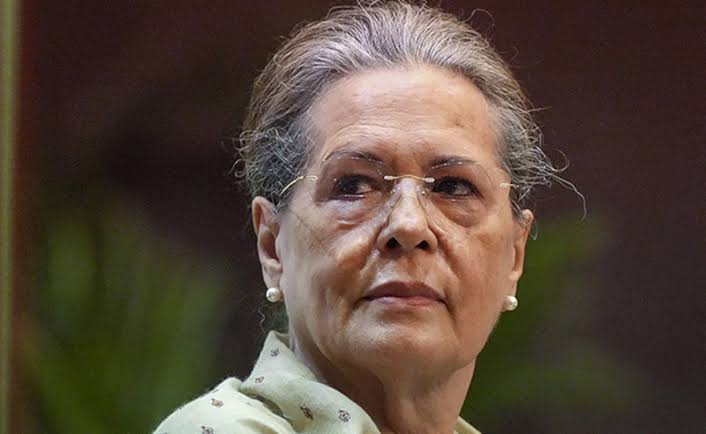
Moghul invaders , British invaders and Sonia’s congress Invaders
Sonia Gandhi, the chairperson of the United Progressive Alliance (UPA), is the last foreign invader ruler of India, a label that reflects the perception of her leadership style and political strategies. Her approach mirrors the tactics employed by historical invaders, such as the Mughals and the British, particularly in terms of fostering divisions within Indian society along religious lines. This perspective suggests that her political maneuvers are not merely about governance but are deeply rooted in a desire to consolidate power by appealing to specific religious communities, particularly Muslims and Christians, at the expense of Hindu sentiments.
One of the most controversial aspects of her tenure has been the rhetoric surrounding Hinduism. For instance, Mr. Sushil Kumar Shinde, who served as the Home Minister under her leadership, introduced the term “Hindu terrorism,” a phrase that many believe unfairly stigmatizes a vast majority of the population and to appease minorities. This narrative was further compounded by Shiv Raj Patil, another former Home Minister, who made disparaging comments about the Bhagavad Gita, likening it to jihad—a statement that many Hindus found deeply offensive and dismissive of their faith. Additionally, the current party president, Mallikarjun Kharge, has publicly mocked the Kumbh Mela, one of Hinduism’s most significant religious gatherings, further alienating a substantial segment of the electorate. Many controversial bills and acts in parliament during UPA rule were made appease minorities for thew sake of votes. Sri.Pranab Mukherjee was denied Prime minister ship by Sonia Gandhi because he was Hindu.
These actions are perceived as part of a broader strategy by Sonia Gandhi to fortify her political standing among minority communities by adopting an anti-Hindu stance. This approach is reminiscent of historical patterns where invaders sought to undermine the dominant religious and cultural identity of the land to facilitate their own rule.
The Mughals, for instance, often resorted to forced conversions and the destruction of temples to assert their dominance, while the British colonial Invader regime exploited India’s resources and promoted Christian missionary activities under the guise of benevolence, which also aimed at converting Hindus.
The parallels drawn between Sonia Gandhi’s political strategies and those of historical invaders suggest a continuity of tactics aimed at weakening Hindu identity to consolidate power. However, unlike their predecessors, Sonia and her son Rahul Gandhi appear to have miscalculated the political landscape. Rahul Gnadhi took his anti Hindu stand by moking Lord Shiva the Hindu God in parliament whis was unprecedented.
Their anti-Hindu rhetoric and actions have not only alienated a significant portion of the Hindu electorate but have also sparked a backlash that has galvanized Hindu nationalist sentiments across the country. This misalignment with the cultural and religious sentiments of the majority has led to a decline in their political fortunes of congress and Sonia Gandhi, indicating that the strategy of division may ultimately be counter productive for these foreign invaders.
-
Gandhiji’s non violence and violent Pakistan .

Why Pakistan Rejected Gandhi’s Non-Violence?
The narrative surrounding India’s struggle for independence often highlights Mahatma Gandhi’s philosophy of non-violence, or ahimsa, as the decisive force that compelled the British to relinquish their hold on India. The Congress party has played a significant role in promoting this view, suggesting that Gandhi’s teachings were the cornerstone of the freedom movement. However, this perspective can obscure the complex realities of the time, particularly the violent upheaval that accompanied the partition of India and Pakistan in 1947.
Partition led to one of the largest mass migrations in history, resulting in the deaths of millions and the displacement of countless others—primarily Hindus and Sikhs fleeing to India and Muslims moving to Pakistan. This tragic chapter underscores the limitations of non-violence in the face of deep-seated communal tensions and animosities.
While Gandhi’s teachings profoundly influenced India, they did not resonate in the same way across the border in Pakistan. Why did the people of Pakistan not embrace the principles of ahimsa and non-violence that Gandhi championed? While many Indians found solace and strength in Gandhi’s message, the response from Pakistanis was markedly different. Attempts by Indian leaders to engage with Pakistan on the basis of peace and reconciliation often fell flat, as they failed to address the underlying hostilities and grievances exacerbated by partition. The historical context of Pakistan’s creation—rooted in a desire for a separate identity and autonomy—contributed to a mindset resistant to Gandhian ideals.
Had the people of Pakistan genuinely adopted the principles of non-violence, the bloodshed of partition might have been prevented, saving countless lives. The stark reality is that the legacy of partition continues to shape India-Pakistan relations, with lingering animosities and conflicts persisting for decades. As we reflect on over seventy years of independence, it is increasingly important for the current generation to understand the complexities of the Pakistani mindset and the historical factors that have influenced it.
The failure of Gandhi to instill the concept of non-violence in Pakistan raises critical questions about the willingness of its people to embrace such ideals. It invites a deeper examination of the cultural, political, and social dynamics that have shaped Pakistan since its inception. Understanding these realities is essential for fostering meaningful dialogue and reconciliation between the two nations.
As we move forward, achieving lasting peace will require more than just the promotion of non-violence—it will demand a genuine willingness among people of all faiths to accept it as a fundamental truth and way of life. In an increasingly fragile world, peaceful coexistence is not just desirable but essential for the welfare of all humanity.
-
Time for Andhra Pradesh to Implement UCC
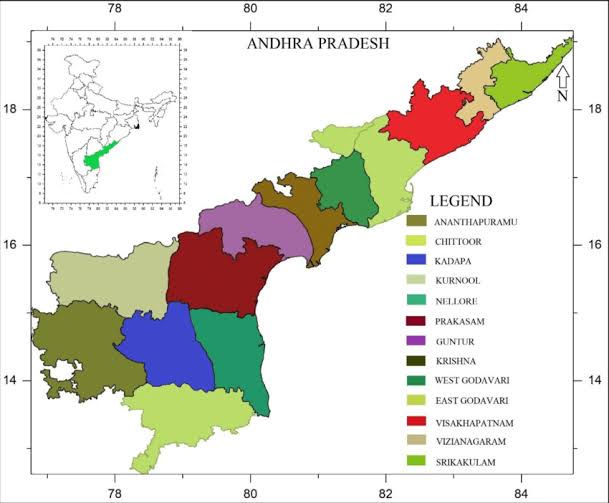

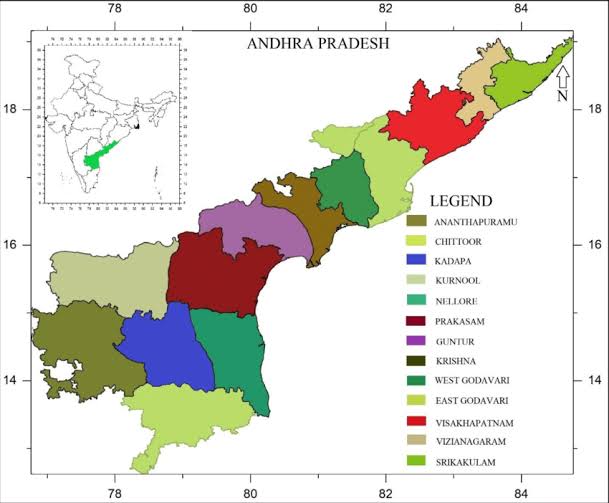
Time for Andhra Pradesh to Implement UCC
Newsnow906 Mins

Dr Buragadda Srinadh
The Uniform Civil Code (UCC) is an urgent necessity for ensuring equality, justice, and national unity in India. Recognizing the importance of this reform, Uttarakhand has become the first state in the country to implement the UCC, setting a remarkable example of progressive governance. \
Goa, too, has had a uniform civil code in place since pre-independence, under Portuguese rule, offering a long-standing example of how such a system can be effective and beneficial for all. Even the Supreme Court has repeatedly urged the central government to introduce the UCC, pointing to the legal complexities that arise from having parallel personal laws. These complexities, particularly in issues like property inheritance and marriage, create unnecessary judicial challenges, delay justice, and perpetuate social inequalities.
The existence of different personal laws for various religious communities often leads to confusion and disparities, complicating the pursuit of justice. For instance, inheritance laws may vary significantly across communities, leaving citizens with unequal access to their legal rights. This situation is not only unfair but also inefficient, as it results in prolonged legal disputes and inconsistent outcomes.
Despite repeated Supreme Court recommendations, successive governments have hesitated to act on the UCC, often due to political considerations. However, the BJP-led National Democratic government prioritized national interest over political expediency. Yet, resistance persists, particularly from the Opposition, including the Congress and its allies, who rely on appeasement politics. With the legal framework now in place, the time has come to ensure uniform rights and obligations for all citizens, regardless of religion, reinforcing equality before the law.
As a responsible citizen, President of Vishwa Hindu Parishad, and a medical professional, I strongly urge the Government of Andhra Pradesh to take the initiative in South India and enact the UCC. This would not only establish Andhra Pradesh as a leader in progressive legal reform but also serve as an inspiration for other southern states to follow. The UCC is not merely a legal reform; it is a crucial step toward fostering true secularism, ensuring that all citizens, regardless of their religious background, are treated equally under the law.
Additionally, I appeal to the leadership within the National Democratic Alliance (NDA) to prioritize the implementation of the UCC and take decisive action. A united stance in favor of the UCC would reaffirm the NDA’s commitment to justice, social harmony, and the constitutional principle of equality before the law. The principle of secularism enshrined in the Constitution should be reflected in the legal framework of the country, and granting special legal privileges based on religion undermines the very essence of a secular democracy.
Implementing the UCC would ensure that all citizens are governed by the same set of laws, thus eliminating the existing disparities. It would pave the way for a more just, inclusive, and unified society, where the law is a tool of equality and fairness. Andhra Pradesh has the opportunity to lead by example, showing the country that progress is possible when the needs of all citizens are addressed equally.
In conclusion, it is time to move beyond political considerations and focus on what is best for the country as a whole. The UCC is not just a matter of legal reform—it is a commitment to the core values of equality, justice, and national integrity. Politics should not be a constraint in advancing these ideals. It is time to ensure that all citizens enjoy equal rights under a single, just, and progressive legal framework. The Andhra Pradesh government, along with the support of the NDA, can take a bold step toward realizing this vision, setting the stage for a stronger, more unified India.
-
Open Letter to the Prime Minister – Ban Google Reviews
Open Letter to the Prime Minister – Ban Google Reviews?
Newsnow908 Mins

A medical professional has written to the Hon’ble Prime Minister of India, urging an immediate ban on Google Reviews. He alleges that the review system is being misused for blackmail and extortion, harming Indian entrepreneurs and professionals. Given his regular contributions to our publication, we are reproducing his letter in full. – Editor
Sri Narendra Modi ji
Hon’ble Prime Minister of India
South Block, New DelhiSubject: Urgent Request to Ban Google Reviews in India
Respected Sir,
I write to seek your urgent intervention in banning Google Reviews in India. This platform is being exploited as a tool for manipulation, blackmail, and extortion, seriously harming Indian entrepreneurs and professionals.
For years, I have witnessed a disturbing pattern: individuals—often linked to Google representatives—post fraudulent negative reviews against businesses, only to later offer “package deals” to remove them in exchange for payment. This is nothing short of blackmail, allowing a foreign entity to exploit Indian professionals for financial gain.
As a medical professional, I have personally suffered due to these unethical practices. Fake reviews from people who have never visited my facility have damaged my reputation, causing financial loss and eroding public trust. Despite lodging complaints with both Google and the local cybercrime police, no action has been taken.
The Indian government mustn’t remain passive while a multinational corporation engages in such misconduct within our borders. Furthermore, in light of these unethical practices, I urge the government to reconsider the Padma Bhushan award granted to Google CEO Sundar Pichai. Honoring corporations that engage in predatory tactics sends the wrong message about our nation’s commitment to protecting its citizens and businesses.
I urge you to take decisive action—either by banning Google Reviews or implementing strict regulations to prevent misuse. Protecting Indian professionals from exploitation should be a priority to maintain a fair and trustworthy business environment.Google represents a multifaceted and intricate Frankenstein monster creation that, despite its vast capabilities and technological advancements, struggles to effectively control the misuse that arises from its fundamental elements. The platform, while designed to enhance connectivity and access to information, inadvertently becomes a breeding ground for various forms of cybercrime. Our nation is already grappling with the serious repercussions of these cybercrimes, which manifest in alarming ways, including digital arrests and fraudulent loan applications that exploit unsuspecting individuals.
The consequences of these cybercrimes extend far beyond mere financial loss; they have devastating effects on mental health and community well-being. Tragically, we are witnessing an increasing number of young individuals who, overwhelmed by the pressures and challenges posed by the digital landscape, are taking their own lives. This heartbreaking trend highlights the urgent need for more robust safeguards and support systems to protect vulnerable populations from the darker sides of technology.
Moreover, families across the nation are facing severe economic hardships as a result of these digital threats. The financial strain caused by identity theft, scams, and other cyber-related crimes can lead to a cascade of difficulties, affecting not only individual households but also the broader economy. The emotional toll on families dealing with the aftermath of such crimes cannot be overstated, as they navigate the complexities of recovery and rebuilding their lives.
In this context, Prime Minister Modi’s advocacy for the “Make in India” initiative aims to foster innovation, entrepreneurship, and self-reliance within the country. However, it appears that Google’s pervasive influence and the challenges associated with its platform may undermine this vision from the outset. The reliance on foreign technology giants can stifle local innovation and entrepreneurship, as domestic businesses struggle to compete in an environment dominated by powerful multinational corporations.
Furthermore, the potential for misuse of technology can deter investment and growth in homegrown solutions, as entrepreneurs may hesitate to enter a market fraught with risks associated with cybercrime and data breaches. To truly realize the goals of the “Make in India” initiative, it is essential to create a balanced ecosystem that empowers local businesses while also addressing the challenges posed by global tech giants like Google.
In conclusion, while Google has revolutionized the way we access information and connect, it is imperative to recognize and address the complexities and challenges that accompany its influence. As we navigate this digital age, we must prioritize the protection of individuals and families from cyber threats, support mental health initiatives, and foster an environment that encourages local innovation and entrepreneurship. Only then can we hope to build a resilient and thriving society that aligns with the aspirations of the “Make
I trust you will consider the severe implications of this issue and take appropriate steps. I look forward to your response.Sincerely,
Dr. Buragadda Srinadh, MD
Director, Asian Institute of Fetal Medicine and Reproductive Genetics
Hyderabad -
Kumbh Mela: A Rebirth of Hindu Identity and Independence
Kumbh Mela: A Rebirth of Hindu Identity and Independence
Newsnow904 Mins

Dr. Boragadda Srinadh
The Kumbh Mela, one of the world’s largest religious gatherings, is more than just a spiritual event—it is a profound assertion of Hindu identity and a symbol of cultural resurgence. It marks a new beginning after 1,200 years of foreign rule and six decades of Congress governance, which many believe suppressed Hindu heritage and identity.
For centuries, Bharat endured invasions, particularly by the Mughals, who demolished thousands of temples, plundered wealth, and imposed foreign ideologies. Millions of Hindus were killed for resisting forced conversions, and sacred sites were desecrated in an attempt to erase indigenous traditions. British colonial rule that followed further deepened this devastation. The British systematically drained India’s wealth, disrupted its ancient educational systems, and distorted its history, leaving Hindus disconnected from their own cultural and historical legacy.
After independence, the Congress party and leftist historians continued to downplay these historical injustices. They glorified invaders, renamed major landmarks after Mughal rulers, and deliberately marginalized Hindu contributions. Hindu traditions and voices were sidelined in the name of pseudo-secularism, creating a sense of alienation among millions. This neglect reached its peak under Sonia and Rahul Gandhi, whose policies and statements, many believe, further humiliated Hindus and ignored their historical grievances.
In this context, the Kumbh Mela emerges as a powerful movement, not just a religious festival. It represents the spiritual and cultural revival of Hindus who, after centuries of struggle, are reclaiming their identity with pride. The gathering of 600 million Hindus at the Kumbh is not just about taking a holy dip—it is a collective reaffirmation of their commitment to Sanatana Dharma, the eternal way of life that forms the foundation of Hindu civilization.
This event is a call for unity, reminding Hindus of their resilience in the face of historical adversities. It inspires a sense of collective responsibility to protect and promote Hindu traditions, ensuring that future generations do not forget their past. The Kumbh Mela is a celebration, but it is also a declaration—a statement that Hindu culture will not be erased or diminished.
As Hindus come together at the sacred rivers, they renew their pledge to uphold their values, defend their heritage, and restore the dignity of their faith. The Kumbh Mela is not just a festival; it is a spiritual awakening, a cultural resurgence, and a self-respect movement. It is a turning point in the journey of Hindu civilization—one that honors the past while shaping a future where Hindu heritage is preserved, respected, and celebrated.
-
Vedic Science is mother and mentor of modern science
- Home
- Special Reports
- Reviving Vedic Astronomy: Bridging Ancient Wisdom with Modern Science
Reviving Vedic Astronomy: Bridging Ancient Wisdom with Modern Science
Newsnow907 Mins

Vedic astronomy, an intricate and profound system of celestial observation, remains an underexplored field despite its foundational role in shaping early scientific thought. Rooted in the sacred Vedic texts, this discipline encapsulates a vast body of astronomical knowledge that has been largely overlooked or dismissed in modern scientific discourse. Yet, its insights—developed through keen observation, precise mathematical calculations, and deep philosophical inquiry—bear remarkable parallels to contemporary astronomical principles.
One of the most striking contributions of Vedic astronomy is its early articulation of a heliocentric model. Ancient Indian sages, or Rishis, recognized the sun as the central celestial body, with planets orbiting around it—an understanding that predates the widely accepted Western heliocentric model proposed by Copernicus by centuries. This insight, documented in Vedic and post-Vedic texts, showcases the advanced level of intellectual and scientific inquiry practiced in ancient India.
The integration of astronomy into daily life is evident in the architectural marvels of ancient temples. Many of these structures, some thousands of years old, house Navagraha mandapams, sacred spaces dedicated to the nine celestial bodies of Hindu astrology. These include the sun, moon, five visible planets, and the two lunar nodes, Rahu and Ketu. While these celestial entities hold religious significance, their depiction also reflects an advanced understanding of astronomical phenomena, demonstrating how seamlessly science and spirituality coexisted in ancient Indian thought.

Also read: https://orangenews9.com/religious-conversions-in-andhra-a-national-security-wake-up-call/
The Rishis were not merely spiritual figures; they were meticulous scientists who employed sophisticated mathematical techniques to track planetary movements, predict eclipses, and determine precise timekeeping methods. Their contributions laid the foundation for disciplines such as astrology, calendar systems, and even navigation. The development of intricate models for planetary conjunctions, solstices, and equinoxes played a crucial role in agriculture and religious observances, illustrating how astronomy was deeply woven into the fabric of Indian civilization.
Several luminaries of ancient Indian astronomy, including Aryabhata and Brahmagupta, introduced groundbreaking concepts that continue to influence modern scientific thought. Aryabhata’s calculations of planetary orbits, his assertion that the Earth rotates on its axis, and his pioneering work on trigonometry underscore the sophisticated level of astronomical inquiry in ancient India. Similarly, Brahmagupta’s contributions to the understanding of gravity and planetary motion further highlight the depth of knowledge embedded in Vedic and classical Indian astronomy.
Despite its historical and scientific significance, Vedic astronomy has suffered from systemic neglect in modern India. Over the past six decades, political influences, particularly from the Congress party and communist ideologies, have contributed to a widespread dismissal of this ancient discipline. Framing it as superstition, these narratives have marginalized traditional Indian knowledge systems, often favoring Western scientific paradigms while overlooking indigenous contributions to astronomy and mathematics. This has led to a disconnect between India’s rich scientific heritage and contemporary academic discourse.
The ancient sages who developed these astronomical concepts adhered to Sanatana Dharma, a spiritual and philosophical framework that emphasized the eternal nature of cosmic truths. Their approach was holistic, seamlessly integrating scientific inquiry with metaphysical understanding. However, modern discourse tends to isolate these aspects, reducing ancient Indian contributions to either purely religious beliefs or disregarding them altogether. This reductionist approach not only undermines India’s intellectual legacy but also limits the potential for a more inclusive, interdisciplinary perspective in scientific research

Also read: https://orangenews9.com/reviving-heritage-embrace-religious-tourism-in-the-himalayas/
To truly advance our understanding of the universe, it is imperative to rekindle interest in Vedic astronomy through rigorous research and academic inquiry. By studying ancient texts, decoding astronomical references in temple architecture, and analyzing historical astronomical calculations, modern scholars can bridge the gap between ancient wisdom and contemporary science. Such efforts could lead to groundbreaking discoveries, offering new perspectives on celestial mechanics, timekeeping, and cosmology.
Moreover, integrating Vedic astronomical principles into modern scientific discourse could inspire innovative methodologies and foster a deeper appreciation for India’s intellectual traditions. Rather than viewing ancient knowledge as obsolete, a more balanced approach that recognizes its scientific merit can enrich our understanding of the cosmos.
The revival of Vedic astronomy is not merely an exercise in historical curiosity; it represents a crucial step toward reclaiming a forgotten legacy and integrating it into the global scientific narrative. By acknowledging and building upon the astronomical insights of ancient Indian scholars, we can foster a more holistic and inclusive approach to understanding our place in the universe.
-
Vedic Science is mother and mentor of modern Science
- Home
- Special Reports
- Reviving Vedic Astronomy: Bridging Ancient Wisdom with Modern Science
Reviving Vedic Astronomy: Bridging Ancient Wisdom with Modern Science
Newsnow907 Mins
Vedic astronomy, an intricate and profound system of celestial observation, remains an underexplored field despite its foundational role in shaping early scientific thought. Rooted in the sacred Vedic texts, this discipline encapsulates a vast body of astronomical knowledge that has been largely overlooked or dismissed in modern scientific discourse. Yet, its insights—developed through keen observation, precise mathematical calculations, and deep philosophical inquiry—bear remarkable parallels to contemporary astronomical principles.
One of the most striking contributions of Vedic astronomy is its early articulation of a heliocentric model. Ancient Indian sages, or Rishis, recognized the sun as the central celestial body, with planets orbiting around it—an understanding that predates the widely accepted Western heliocentric model proposed by Copernicus by centuries. This insight, documented in Vedic and post-Vedic texts, showcases the advanced level of intellectual and scientific inquiry practiced in ancient India.
The integration of astronomy into daily life is evident in the architectural marvels of ancient temples. Many of these structures, some thousands of years old, house Navagraha mandapams, sacred spaces dedicated to the nine celestial bodies of Hindu astrology. These include the sun, moon, five visible planets, and the two lunar nodes, Rahu and Ketu. While these celestial entities hold religious significance, their depiction also reflects an advanced understanding of astronomical phenomena, demonstrating how seamlessly science and spirituality coexisted in ancient Indian thought.
Also read: https://orangenews9.com/religious-conversions-in-andhra-a-national-security-wake-up-call/
The Rishis were not merely spiritual figures; they were meticulous scientists who employed sophisticated mathematical techniques to track planetary movements, predict eclipses, and determine precise timekeeping methods. Their contributions laid the foundation for disciplines such as astrology, calendar systems, and even navigation. The development of intricate models for planetary conjunctions, solstices, and equinoxes played a crucial role in agriculture and religious observances, illustrating how astronomy was deeply woven into the fabric of Indian civilization.
Several luminaries of ancient Indian astronomy, including Aryabhata and Brahmagupta, introduced groundbreaking concepts that continue to influence modern scientific thought. Aryabhata’s calculations of planetary orbits, his assertion that the Earth rotates on its axis, and his pioneering work on trigonometry underscore the sophisticated level of astronomical inquiry in ancient India. Similarly, Brahmagupta’s contributions to the understanding of gravity and planetary motion further highlight the depth of knowledge embedded in Vedic and classical Indian astronomy.
Despite its historical and scientific significance, Vedic astronomy has suffered from systemic neglect in modern India. Over the past six decades, political influences, particularly from the Congress party and communist ideologies, have contributed to a widespread dismissal of this ancient discipline. Framing it as superstition, these narratives have marginalized traditional Indian knowledge systems, often favoring Western scientific paradigms while overlooking indigenous contributions to astronomy and mathematics. This has led to a disconnect between India’s rich scientific heritage and contemporary academic discourse.
The ancient sages who developed these astronomical concepts adhered to Sanatana Dharma, a spiritual and philosophical framework that emphasized the eternal nature of cosmic truths. Their approach was holistic, seamlessly integrating scientific inquiry with metaphysical understanding. However, modern discourse tends to isolate these aspects, reducing ancient Indian contributions to either purely religious beliefs or disregarding them altogether. This reductionist approach not only undermines India’s intellectual legacy but also limits the potential for a more inclusive, interdisciplinary perspective in scientific research
Also read: https://orangenews9.com/reviving-heritage-embrace-religious-tourism-in-the-himalayas/
To truly advance our understanding of the universe, it is imperative to rekindle interest in Vedic astronomy through rigorous research and academic inquiry. By studying ancient texts, decoding astronomical references in temple architecture, and analyzing historical astronomical calculations, modern scholars can bridge the gap between ancient wisdom and contemporary science. Such efforts could lead to groundbreaking discoveries, offering new perspectives on celestial mechanics, timekeeping, and cosmology.
Moreover, integrating Vedic astronomical principles into modern scientific discourse could inspire innovative methodologies and foster a deeper appreciation for India’s intellectual traditions. Rather than viewing ancient knowledge as obsolete, a more balanced approach that recognizes its scientific merit can enrich our understanding of the cosmos.
The revival of Vedic astronomy is not merely an exercise in historical curiosity; it represents a crucial step toward reclaiming a forgotten legacy and integrating it into the global scientific narrative. By acknowledging and building upon the astronomical insights of ancient Indian scholars, we can foster a more holistic and inclusive approach to understanding our place in the universe.
-
Communist confusion
Mock Hindu Idols, Worship decaying Lenin body
Newsnow908 Mins

Dr Buragadda Srinadh
The preservation of Lenin’s decaying body in Red Square serves as a powerful symbol for many Communists, representing not just a historical figure but the ideals and aspirations of the Communist movement. For them, maintaining Lenin’s body is an act of faith, respect, and commitment to the revolutionary principles he espoused. It signifies dedication to socialism and the ongoing struggle for a classless society. More than a relic, Lenin’s embalmed body is a political statement, reinforcing the permanence of his ideology and serving as a source of inspiration for future generations.
However, this veneration presents an ideological paradox. Many Communists, particularly those adhering to Marxist principles, often criticize religious practices—such as Hindu idol worship—as superstitious and regressive. They argue that the worship of deities diverts attention from material struggles, fostering a “false consciousness” that prevents the working class from recognizing and challenging their economic oppression. According to this perspective, religious symbols reinforce existing power structures rather than dismantling them, making Hindu deity veneration a barrier to social progress.
Yet, the juxtaposition of Lenin’s embalmed body and Hindu idols raises an important question: Why is one form of veneration seen as legitimate while the other is dismissed as irrational? Both involve the preservation of a physical representation—whether a revolutionary leader or a deity—imbued with profound ideological and emotional significance. This contradiction suggests an underlying cognitive dissonance within communist thought, wherein devotion to Lenin mirrors the very religious practices many Communists seek to dismantle.
Historically, Communism has positioned itself in opposition to organized religion, viewing it as an opiate that dulls the masses’ revolutionary potential. Karl Marx’s famous dictum that “religion is the opium of the people” underscores this belief. Communist regimes, from the Soviet Union to China, have often sought to suppress religious practices, replacing them with state-sanctioned ideology. Yet, paradoxically, these same regimes have built elaborate cults of personality around their leaders, elevating figures like Lenin, Stalin, and Mao to almost divine status.

In Lenin’s case, his body has been preserved for a century, displayed in a glass sarcophagus under constant surveillance and maintenance. This effort, requiring state resources and scientific expertise, is reminiscent of religious relic preservation. The Mausoleum itself functions like a shrine, drawing visitors who view Lenin with a sense of reverence akin to pilgrims visiting a sacred site.
Similarly, in North Korea, the embalmed bodies of Kim Il-sung and Kim Jong-il are enshrined in the Kumsusan Palace of the Sun. In China, Mao Zedong’s body lies in state in Tiananmen Square, despite his earlier opposition to such practices. These leaders, once vehemently opposed to religious rituals, have ironically become the subjects of quasi-religious adoration themselves.
The selective rejection of religious symbols while embracing revolutionary iconography reveals a deeper truth: human beings, regardless of ideology, seek symbols to rally around. Whether it is a deity in a temple or a revolutionary leader in a mausoleum, these figures provide a tangible focal point for faith, identity, and collective aspirations.
This raises the question: If Lenin’s body can be preserved as an enduring symbol of socialism, why should Hindu idols be dismissed outright as irrational? If a Hindu devotee finds meaning in an image of Krishna or Shiva, is that fundamentally different from a communist drawing inspiration from Lenin’s preserved remains? Both function as conduits for ideological and spiritual fulfillment.
The contradiction highlights the broader challenge faced by rigid ideological frameworks—they often struggle to account for the emotional and symbolic dimensions of human belief. Cognitive dissonance arises when people hold conflicting values, and in this case, communists must reconcile their reverence for Lenin with their critique of religious devotion. This tension invites a deeper reflection on the role of symbols in shaping political movements, cultural traditions, and personal identities.
Ultimately, the preservation of Lenin’s body and the critique of Hindu idol worship underscore the complexities of belief systems and the ways cultural practices are interpreted through ideological lenses. They reveal that, despite opposing religion, communist movements have adopted their own sacred symbols—transforming political leaders into objects of reverence.
This paradox invites a broader discussion on the universality of symbolism in human societies. Whether through religious imagery, revolutionary relics, or nationalistic monuments, people across cultures seek tangible representations of their values and aspirations. Rather than dismissing one form of veneration while embracing another, it may be worth acknowledging that all societies, regardless of ideology, create symbols to inspire, unify, and sustain their beliefs.
 Bharat Hindava